
Plain-English help
Roof and Gutter Guides for Melbourne Property Owners
These roof and gutter guides answer the questions Melbourne homeowners, strata committees and building managers ask us most: how to deal with moss, whether a roof should be pressure cleaned, what gutter cleaning costs, how often it's needed and how to do it yourself without getting hurt. Each guide settles one decision properly, with local detail and sources, and none of them is a sales pitch in disguise. If you'd rather skip the reading and see what we do, go to the roof and gutter cleaning homepage.

Start here
Where should you start with our roof and gutter guides?
Start with the question you're actually trying to answer. If your roof is green, read the moss guide. If someone has offered to blast your roof, read the pressure cleaning guide. If you're budgeting, read the cost guide. If you're wondering whether it's time, read the frequency guide. If you're about to climb a ladder, read the DIY guide first.
| Guide | The question it answers | Most useful for |
|---|---|---|
| Removing moss from a roof | What actually gets moss off, by roof material, and what doesn't | Owners of shaded tile, terracotta and slate roofs |
| Pressure cleaning a roof | Whether your roof can take high pressure at all | Anyone who has been quoted for roof blasting |
| Gutter cleaning costs | What Melbourne homes pay, and what moves the price | Homeowners, landlords and budget-holders |
| How often to clean gutters | How many cleans a year your trees and suburb call for | Everyone, especially fire-prone and leafy areas |
| Cleaning gutters yourself | How to do it safely, and where to stop | Confident DIYers with single storey homes |
Each guide is written from what we see on Melbourne roofs, with official sources linked where a claim needs one, such as fire-season advice or ladder injury figures. We keep them general so they're useful whether or not you ever book us.
Melbourne shapes a lot of the advice. Most of our leaf litter lands between March and June, when plane trees, oaks and elms drop everything at once. Moss and lichen thrive on the cool, shaded south faces of tiled roofs through winter. Then, from late spring, the question shifts to dry leaves sitting in gutters as fire season approaches in the outer east, north and the Dandenongs. A guide written for Queensland or the UK would get most of that timing wrong, which is why ours are written for here.
If two guides seem to overlap, that's deliberate only where the decisions connect. Moss removal and pressure cleaning both touch roof washing, but one is about getting growth off and the other is about whether the surface can take the force. Cost and frequency are linked too, because how often you clean changes what you spend across a year.
Roof care
Which guides help with moss and roof washing?
Two guides cover the roof itself. One explains how to get moss, lichen and algae off tiles, terracotta, slate and metal without damage. The other answers the question most people ask too late: should this roof be pressure cleaned at all, or would a soft wash do the job better?

How to remove moss from a roof
Why moss is worth removing, the treat-then-wait method, what works on each material, the truth about vinegar and bleach, and the best months to do it in Melbourne.
Longer read, with a material-by-material table
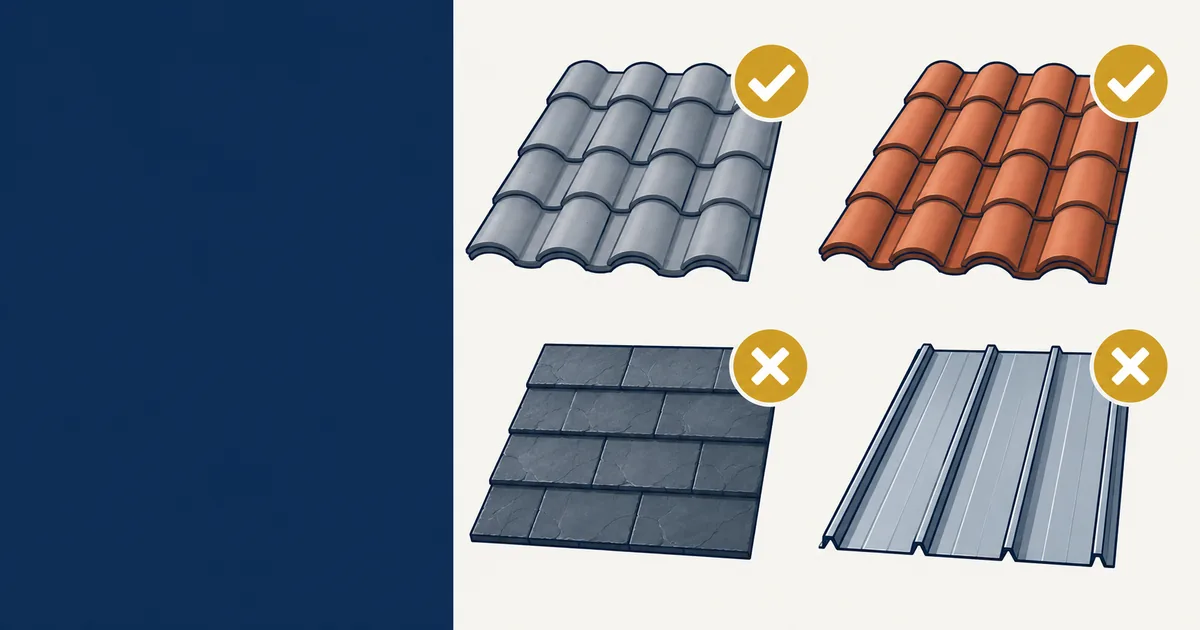
Should your roof be pressure cleaned?
A material-by-material answer, what high pressure does to the wrong roof, how soft washing works, and why coated roofs need extra thought before anyone picks up a lance.
Short read, with a decision table
A useful order if your roof is green: read the moss guide first, because it explains why growth comes back and what slows it. Then read the pressure cleaning guide before you accept any quote that involves a lance on the roof. Old terracotta, slate, and roofs with a painted coating are the ones most often damaged by the wrong method, and the damage usually isn't visible until the next heavy rain finds a cracked tile or a bare patch.
Costs and frequency
Which guides help with budgeting and timing?
The cost guide shows what Melbourne homes typically pay for gutter cleaning and why quotes vary so much. The frequency guide works out how often your gutters need doing, based on your trees, your suburb and the fire season, so you can plan the cost across a year.

What gutter cleaning costs in Melbourne
Typical ranges for single and double storey homes, what makes one quote higher than another, how strata and commercial jobs are priced, and the cheap-quote traps to avoid.
Short read, with price factors explained

How often Melbourne gutters need cleaning
Cleaning frequency by tree cover, a month-by-month Melbourne calendar, what the CFA says about gutters before fire season, and the signs you've left it too long.
Medium read, with a frequency table
Read them together if you're setting a maintenance budget. One house with a couple of gums nearby might get by on two visits a year. Put the same house under a row of liquidambars or a big oak and it could need three or four. The per-visit price matters, but the number of visits usually matters more. Landlords and strata committees often find a scheduled plan cheaper and easier to manage than calling someone after each overflow.
Safety and DIY
Is there a guide for cleaning gutters yourself?
Yes. The DIY guide starts with methods that keep you on the ground, then covers ladder safety for those who climb anyway, why walking on a tile roof is a bad idea, how to flush downpipes, and an honest comparison of doing it yourself against paying someone.
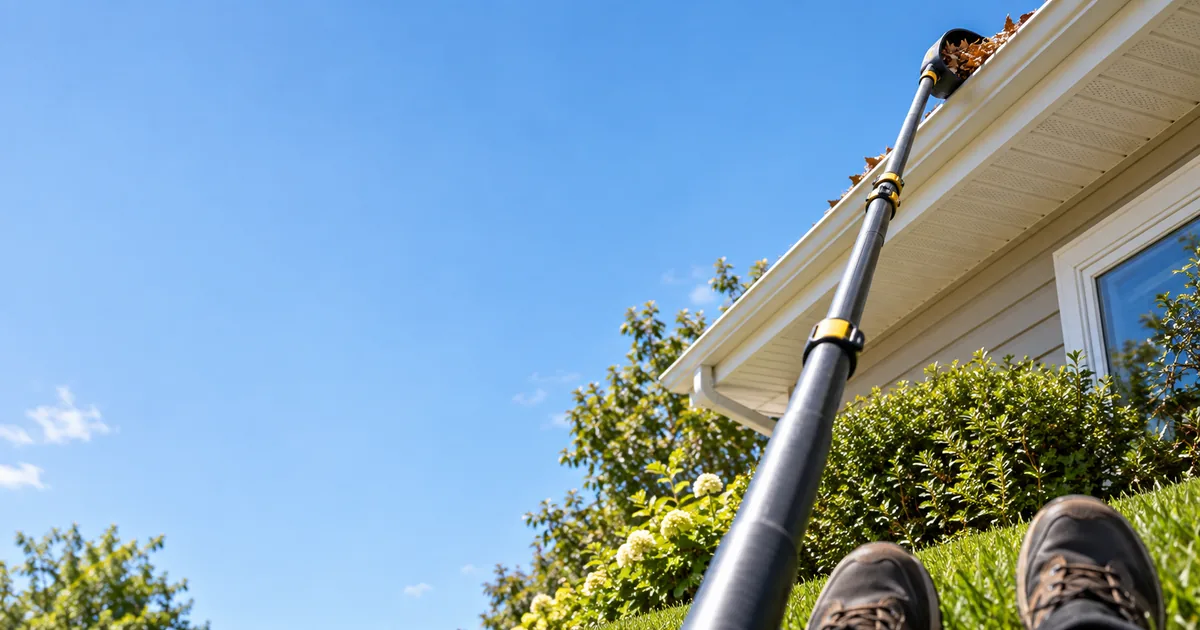
Cleaning your own gutters, and knowing when to stop
Ground-level tools, what they can't clear, safe ladder setup for anyone who climbs, the plain answer on walking roofs, cleaning downpipes and gutter exteriors, and the real cost of doing it yourself.
Ladder falls put thousands of Australians in hospital each year, according to the Victorian Government's Better Health Channel, which is why this guide begins on the ground rather than at the top of a ladder.
Longer read, with safety checklists
We'd rather you cleaned a low gutter safely from the ground than paid us for something you can do yourself. The guide is honest about where that line sits. A single storey home with a flat, open yard is often manageable. A double storey home, a steep block, a roof you'd have to walk on, or a gutter above a glass roof or a pool fence is where DIY stops being worth the risk.
How they're made
How are these guides written and checked?
Each guide starts from the questions customers put to us on site, is written in plain English by people who clean roofs and gutters, and is checked against an official source wherever a fact could be wrong. Every guide carries the date it was last reviewed.
Where a claim depends on a rule or a figure, we link the source rather than paraphrasing it from memory. Fire preparation points go to the CFA. Ladder injury numbers go to the Victorian Government's health site. Rainfall figures come from the Bureau of Meteorology. Where no official figure exists, such as typical prices, we say where the range comes from and when we checked it.
We also say what we don't know. Roof coatings, asbestos-cement sheeting and structural repairs sit outside what a cleaning crew should advise on, and the guides point you to a licensed roof plumber or an asbestos assessor when that's the right call. You won't find product endorsements, affiliate links or tables that quietly favour one brand.
When is it time to stop reading and get a quote?
When the guide you're reading points to a job you can't do safely, or don't want to. That's usually any double storey home, any roof you'd have to walk on, moss on slate or old terracotta, and gutters that overflow even after you've cleared them. A fixed quote costs nothing and doesn't commit you.
About the guides
What do readers ask about these guides?
Readers usually want to know two things before trusting a guide: who it was written for, and whether the information is still current. Here's how we handle both.